
Chairs: Sıla Gürbüz, Kathleen Guan, Stella Goeschl & Wendi LeBrett
Date: Tuesday, 23th June 2026
Mission and objectives
Participants will:
- Discuss ethical decision principles for common social media dilemmas in health communication (privacy, misinformation, harmful trends, and AI-generated content).
- Co-design youth-informed non-communicable disease prevention communication that is platform-aware, stigma-sensitive, and credible in short-form formats.
- Contribute to implementation-oriented outputs, including social media micro-guidelines (ethical posting checklist), youth-facing digital literacy tools, AI-related verification and disclosure guardrails, and one policy or platform recommendation per working group.
- Co-author a draft consensus deliverable for peer-reviewed publication: Multistakeholder Principles for Safe, Ethical, and Trustworthy Digital Public Health Communication to Youth
Social platforms increasingly function as primary health information environments for youth under 30, where engagement mechanisms, algorithmic amplification, and commercial influence can distort content accuracy, credibility, and trust. Recent opinion pieces in The BMJ highlight both opportunities and harms associated with influencer-disseminated medical advice, emphasising the need for coordinated multi-stakeholder action on accountability mechanisms and empowerment of youth digital health rights.
This proposed session will be delivered as an interactive workshop combining a simulation lab and a co-design sprint. Participants will first work in facilitated small groups to apply structured ethical decision principles to realistic social media dilemmas (for example, responses to viral misinformation, commercial sponsorship offers, and AI-generated health claims). The workshop will then transition to mixed stakeholders co-design tables, where participants will map risks and pain points, analyse how platform dynamics shape exposure and trust, and rapidly prototype practical solutions. This workshop approach aligns with WHO infodemic management principles through community engagement, trust-building
strategies, and resilience-oriented digital health literacy.
As an applied case study, the workshop will draw on the organisers’ existing research programme on tailoring digital prevention initiatives for non-communicable diseases.
Intended Audience and Expected Participants
Intended audience includes early-career public health professionals and young researchers, digital public health researchers and practitioners, youth representatives and youth patient advocates, as well as social media content creators. The expected participation is between 15 and 40 participants, using a facilitated small-group format.
Format and schedule
| Time | Session | Contributors |
|---|---|---|
| 0:00-0:05 | Opening and framing | Kathleen Guan + Sıla Gürbüz |
| 0:05-0:15 | Virtual video: clinician creator insights (pre-recorded / virtual) | Wendi LeBrett |
| 0:15-0:25 | Youth and social media insights | Sıla Gürbüz |
| 0:25-0:35 | NCD case briefing | Kathleen Guan |
| 0:35-1:10 | Simulation and co-design sprint in tables | Sıla Gürbüz, Kathleen Guan, Stella Goeschl |
| 1:10-1:25 | Synthesis and formative evaluation | Kathleen Guan, Sıla Gürbüz, Stella Goeschl |
| 1:25-1:30 | Closing | Kathleen Guan |
Speakers
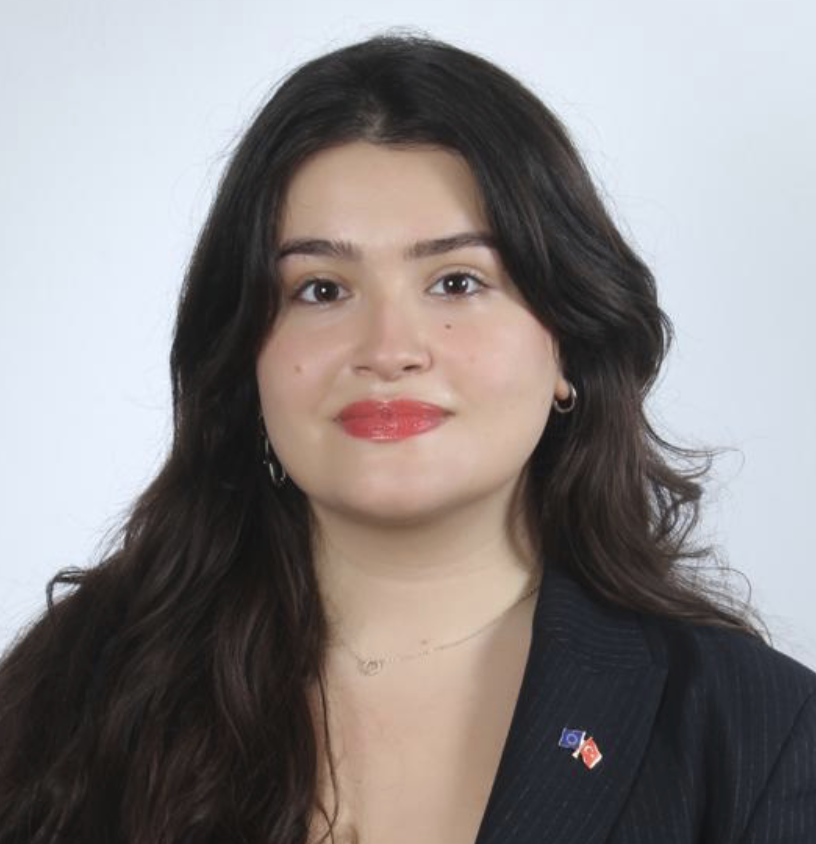
Haymana State Hospital & WHO/Europe Youth4Health Network
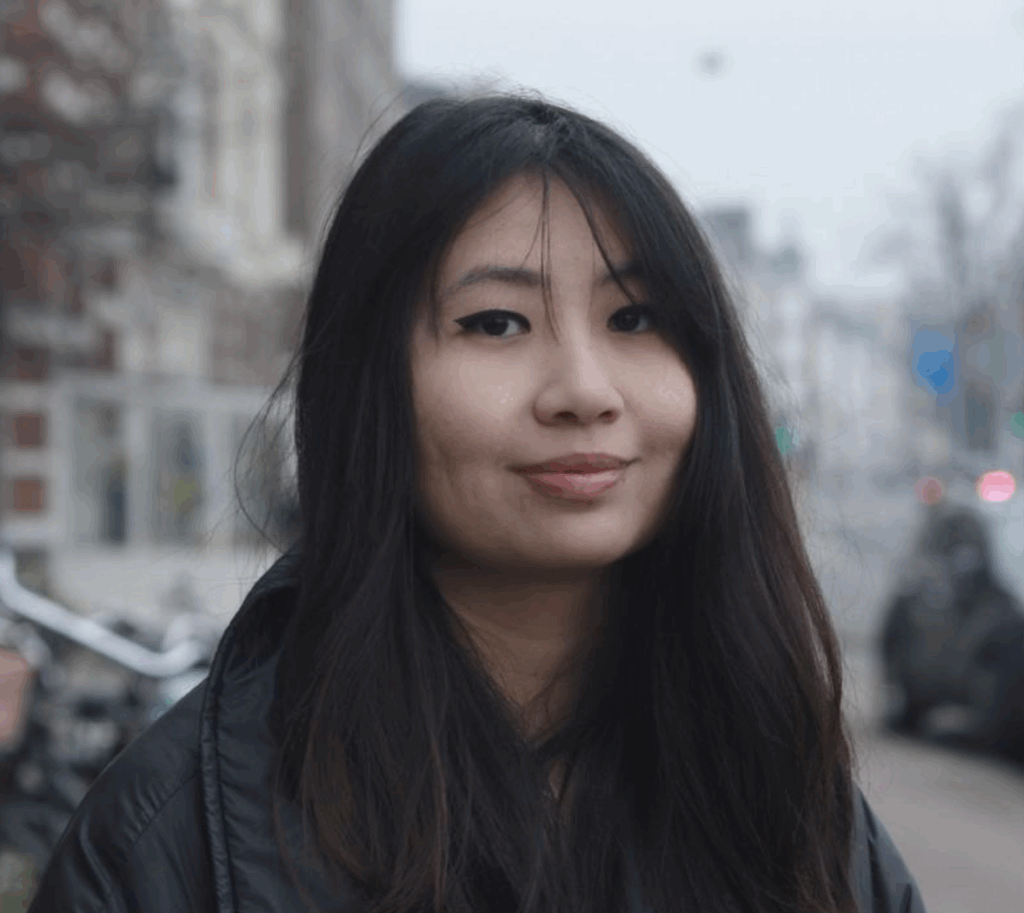
TU Delft & WHO/Europe Youth4Health Network
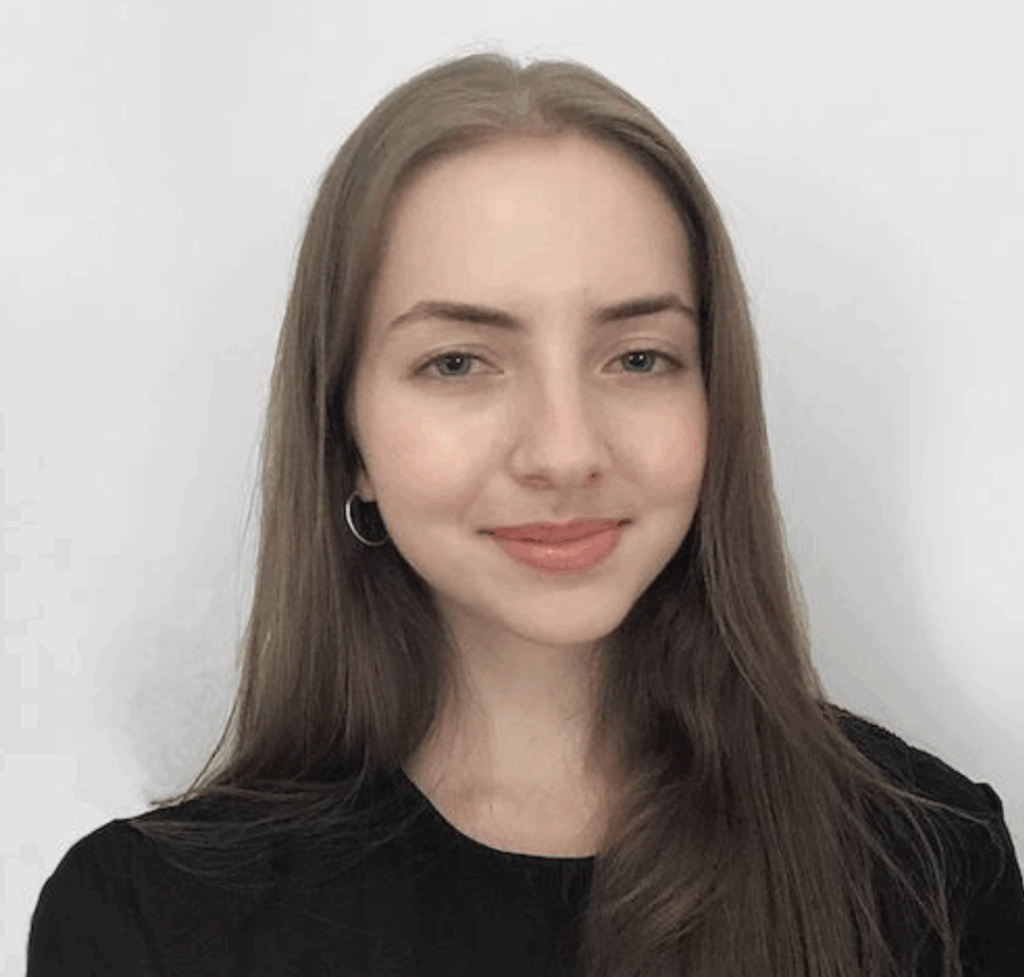
Imperial College London & WHO/Europe Youth4Health Network

Digestive Health Clinic