
Chairs: Natália Machado & Taiane Abreu
Mission and objectives
The primary objective of this workshop is to explore how evidence and practical experiences from four complementary European projects (TRACE, CAREWAY, CURTAIN and PATH) can inform more equitable, accessible and inclusive cancer literacy strategies across Europe. The workshop approaches cancer literacy as a digital public health equity challenge, recognising the interplay between individual capabilities, information environments, organisational practices and health systems.
More specifically, the workshop aims to:
- Identify barriers to inclusive cancer communication: Explore challenges affecting access to and understanding of reliable cancer information, including language barriers, misinformation, digital exclusion and difficulties reaching underserved populations.
- Examine the role of social determinants of health: Understand how social and structural factors shape people’s opportunities to access, understand and act on cancer information.
- Explore digital and AI-related challenges and opportunities: Discuss the role of digital and AI literacy, access to reliable digital health information, and the responsible use of AI in cancer communication.
- Co-develop practical recommendations: Identify evidence-informed approaches to adapting cancer literacy strategies to the needs of different populations and diverse European contexts.
Themes, Topics and Relevance to Digital Public Health
Digital technologies have expanded the ways in which people access cancer information. However, access does not necessarily ensure that information is understandable, trustworthy, relevant or usable. Fragmented information pathways, limited language and format options, misinformation and insufficient attention to diverse needs can reinforce existing inequalities.
The workshop treats cancer literacy as a shared responsibility involving individuals, information providers, healthcare organisations and communities. Its central question is: How can evidence about cancer information gaps be translated into organisational and community-level action that makes cancer information more accessible, inclusive and equitable?
The discussion will focus on four connected themes. The first concerns information gaps and inequalities, that is, how gaps in services, formats, targeting and language, together with differences in people’s circumstances, affect access to and use of reliable information. The second concerns organisational responsiveness, meaning the role of healthcare organisations and information providers in making information accessible and countering misinformation. The third concerns inclusive digital and
participatory resource development, examining how accessible, multilingual, online and offline formats and co-creation can improve relevance and usability. The fourth concerns the social determinants of cancer literacy, considering how education, language, culture, geography, social support, discrimination and structural barriers interact with digital and organisational factors.
By bringing these themes together, the workshop moves beyond the presentation of individual projects to consider how complementary evidence can support more equitable cancer communication. The emphasis is on identifying transferable lessons and practical priorities for research, policy and digital public health practice.
Intended audience
The workshop is intended for:
- Researchers in health literacy, digital public health, cancer prevention and health communication;
- Healthcare and public health practitioners;
- Policymakers and health agency representatives;
- Professionals working in digital health, technology and accessible communication;
- Patient organisations, community representatives and civil society actors.
We anticipate 30 to 40 participants, working in small groups of four to six people. Given the interactive design, participants from diverse disciplines, sectors and countries are especially welcome. The activity focuses on practical challenges rather than requiring specialist knowledge of any one project, so it is accessible to participants who have not previously worked in cancer literacy.
Expected takeaways
Participants will leave the session with:
- A clear understanding of how cancer literacy relates to health equity in digital public health.
- Practical approaches to identifying and addressing cancer information gaps and communication barriers.
- Actionable recommendations for developing more accessible and inclusive cancer communication resources.
- Concrete ideas for integrating accessibility, inclusiveness and health literacy into their own digital public health projects and initiatives.
Format and schedule
The 90-minute workshop combines a short introduction, an integrated presentation of evidence from TRACE, CURTAIN, CAREWAY and PATH, facilitated group work and a closing synthesis. The projects are used as a shared case study rather than presented as four separate initiatives. Participants work with selected findings and experiences to examine how cancer literacy inequalities arise and how evidence can inform practical responses.
| Duration | Session | Description |
|---|---|---|
| 7 min | Introducing the challenge | The chair introduces cancer literacy as a digital public health equity issue, outlines the workshop objectives and presents the central question. |
| 15 min | Shared case study and project contributions | One integrated presentation, with a short contribution from each project, introduces the main challenges and approaches related to information gaps (including misinformation), literacy needs, organisational responsibilities, social determinants and participatory resource development. |
| 10 min | Authors’ presentations | Authors selected through the open call briefly present their work, highlighting relevant research, experiences or initiatives related to cancer literacy and equitable access to cancer information. A short discussion follows. |
| 23 min | From evidence to action | Participants work in small groups using a shared case scenario and a structured worksheet. They identify key barriers and who is affected, and develop feasible responses that take into account social determinants, organisational practices and digital communication. Thematic experts facilitate the groups, contributing insights from the projects and supporting the development of practical responses. |
| 20 min | Sharing and comparing responses | Groups present their proposals and discuss feasibility, implementation barriers and adaptation across populations and settings. Facilitators identify common principles and context-specific considerations. |
| 15 min | Synthesis and closing | The chair leads a final discussion to consolidate recommendations for improving cancer information environments, strengthening organisational responsiveness and developing inclusive communication strategies. |
Participant Engagement and Expected Output
The group activity is based on a common case scenario involving barriers to accessing, understanding or using cancer-related information. The scenario allows participants to consider how digital access and skills interact with socioeconomic circumstances, language, education, social support and organisational practices. It is an illustrative exercise and not a finding attributed to any of the four projects.
Using selected project evidence as a starting point, each group will identify the main cancer information gaps and literacy needs in the scenario, considering digital access and skills, language and socioeconomic barriers. Groups will then propose a practical, inclusive response and identify the key stakeholders who should be involved, taking into account the needs of different populations and settings. Finally, each group will suggest one or two indicators to assess the accessibility and potential contribution of its response to health equity.
The chair and facilitators will consolidate the group outputs into a concise set of recommendations addressing information provision, organisational responsiveness and inclusive implementation. These recommendations form the workshop’s main practical output and provide a basis for further exchange between research, policy, healthcare and community stakeholders.
Speakers
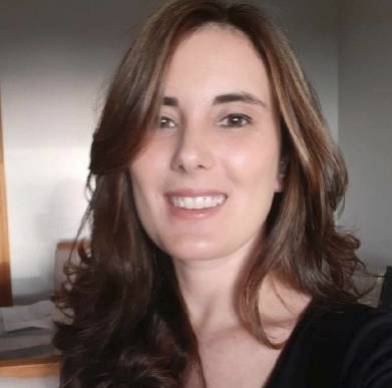
SHINE 2Europe, Portugal
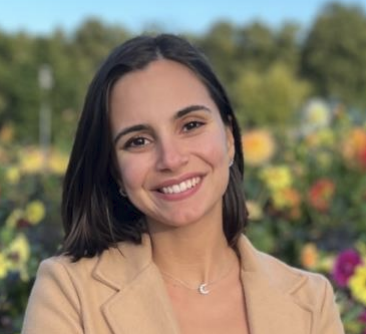
SHINE 2Europe, Portugal
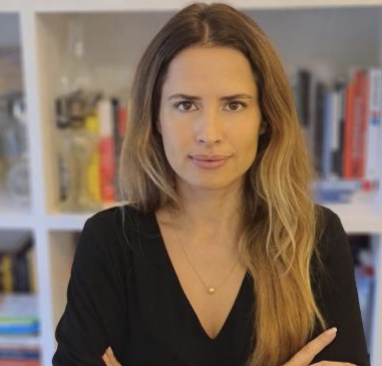
Maria João Marques (Facilitator)
NOVA National School of Public Health, Portugal
University of Aveiro, Portugal
Nordic Healthcare Group, Finland