

Chairs: Komal Florio & Eleonora Ferrari
Mission and objectives
Poor diet is one of the leading modifiable causes of ill health, and its burden is unequal: what people eat depends on income, education, employment and health status, and on the food environment in which they live. People increasingly ask generative AI tools for meal plans, dietary guidance and health advice. These tools can offer personalised, multilingual support at low cost and at scale, but their risks fall hardest on people with low literacy, language barriers or limited access to care.
FEAST brings together research and practice to examine how generative AI can improve nutrition information, dietary support and health equity for vulnerable populations, without reinforcing existing inequalities. Better tools alone are not enough: many harms arise when people use AI without the training or literacy needed to recognise its limits. The workshop therefore also asks which guidelines and policies are needed, for developers, health and care professionals, educators, public bodies and users alike, to protect the most vulnerable from the harms of uninformed use.
The workshop will explore:
- who benefits from AI-mediated nutrition information and services, and who is left out, across income, education, language, digital literacy and health status;
- AI support for nutrition skills, AI literacy and resilience to misinformation;
- clinical validation, human oversight and accountability for personalised AI dietary tools;
- data and AI for studying food environments, from food processing and hyper-palatability to food marketing, labelling and digital platforms;
- responsible governance of health and dietary data, and policies that protect vulnerable users;
- robust and participatory evaluation of real-world public-health outcomes.
Intended audience
- Public-health researchers and practitioners
- Clinicians, dietitians, nutritionists and other health and care professionals, including those working with patients with cancer and chronic conditions
- Researchers in digital health, AI, natural language processing and human–computer interaction
- Social scientists working on health inequalities
- NGOs, public bodies and community organisations deploying digital services
- Patient advocates and policymakers
Expected Outcomes
- An overview of current evidence and practice on generative AI for nutrition and health equity.
- Concrete examples of AI dietary tools built, deployed or evaluated in clinical practice, research, public health and industry.
- New collaborations across disciplines and sectors.
- A shared repository of practice-track case studies and a mailing list to sustain the community towards a second edition.
- A possible Research Topic in Frontiers in Digital Public Health based on the workshop, which the organisers are exploring with the conference’s partner publisher.
Format and schedule
FEAST is a first-edition, half-day workshop (3 hours) with a call for papers. The programme brings research and practice together: a keynote, a paper session and a practice track, each followed by discussion with the audience. The final duration and the conference day will be set by the DPH 2027 chairs.
| Duration | Activity | Engagement |
|---|---|---|
| 10 min | Welcome, aims and introductions | Chair |
| 35 min | Keynote by Prof Paola Pisano | Talk |
| 60 min | Paper session, followed by joint discussion | Discussant per talk, audience Q&A |
| 30 min | Break | Networking |
| 45 min | Practice track: lightning case studies from clinical practice, research, public health and industry, followed by open discussion and closing | 4-minute pitches, moderated discussion |
Keynote. Prof. Paola Pisano will connect digital health policy with the responsible deployment of AI for vulnerable groups, drawing on the FoodCare in Oncology and FAI – Food Addiction Index projects of HighESt Lab. Tentative title: From Policy to Plate: Designing AI for Health Equity in the Food System.
Practice track. Invited contributors who build, deploy, use or evaluate dietary or food AI tools, from clinical practice, research, public health and industry, each present a 4-minute case study: what they built or used, for whom, and what worked or failed. The chair then moderates an open discussion and closes the workshop with next steps.
Speakers
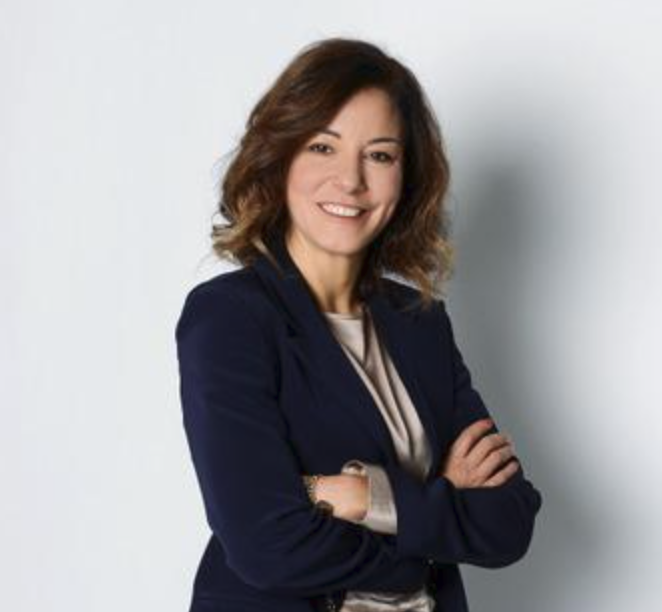
Prof Paola Pisano (Keynote speaker)
HighESt Lab, University of Turin, Italy
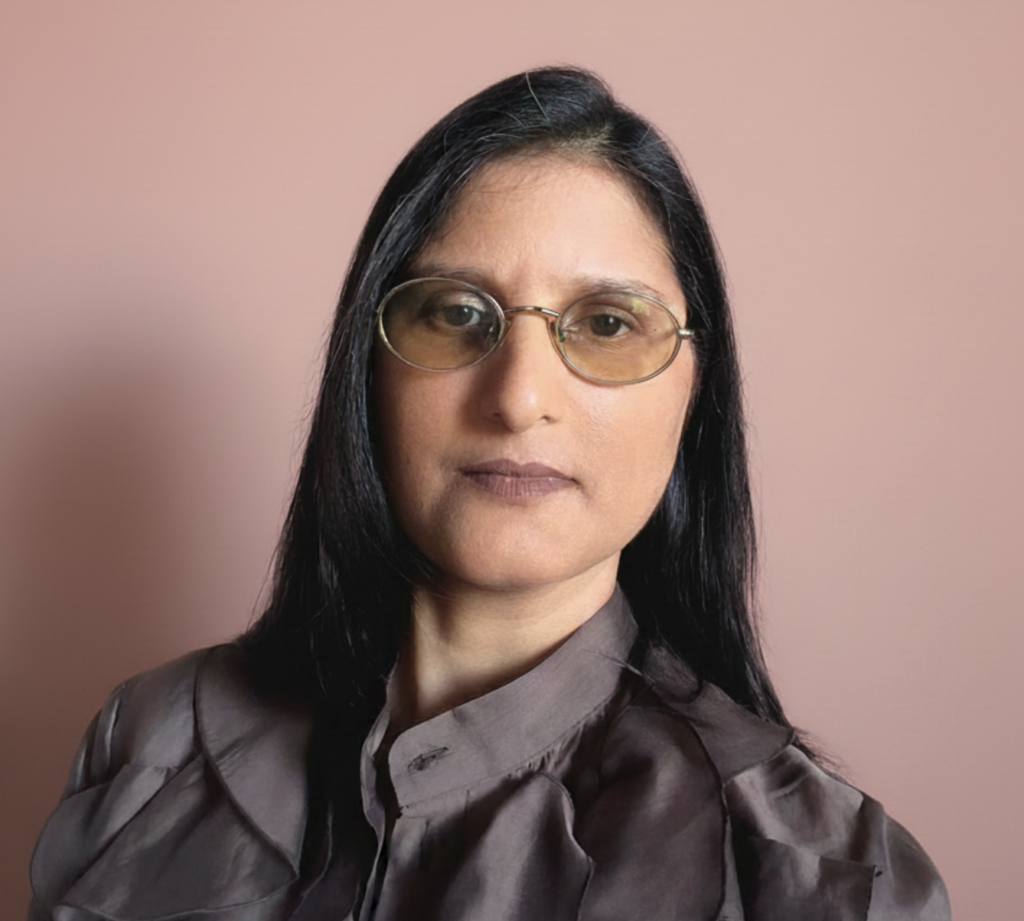
HighESt Lab, University of Turin, Italy
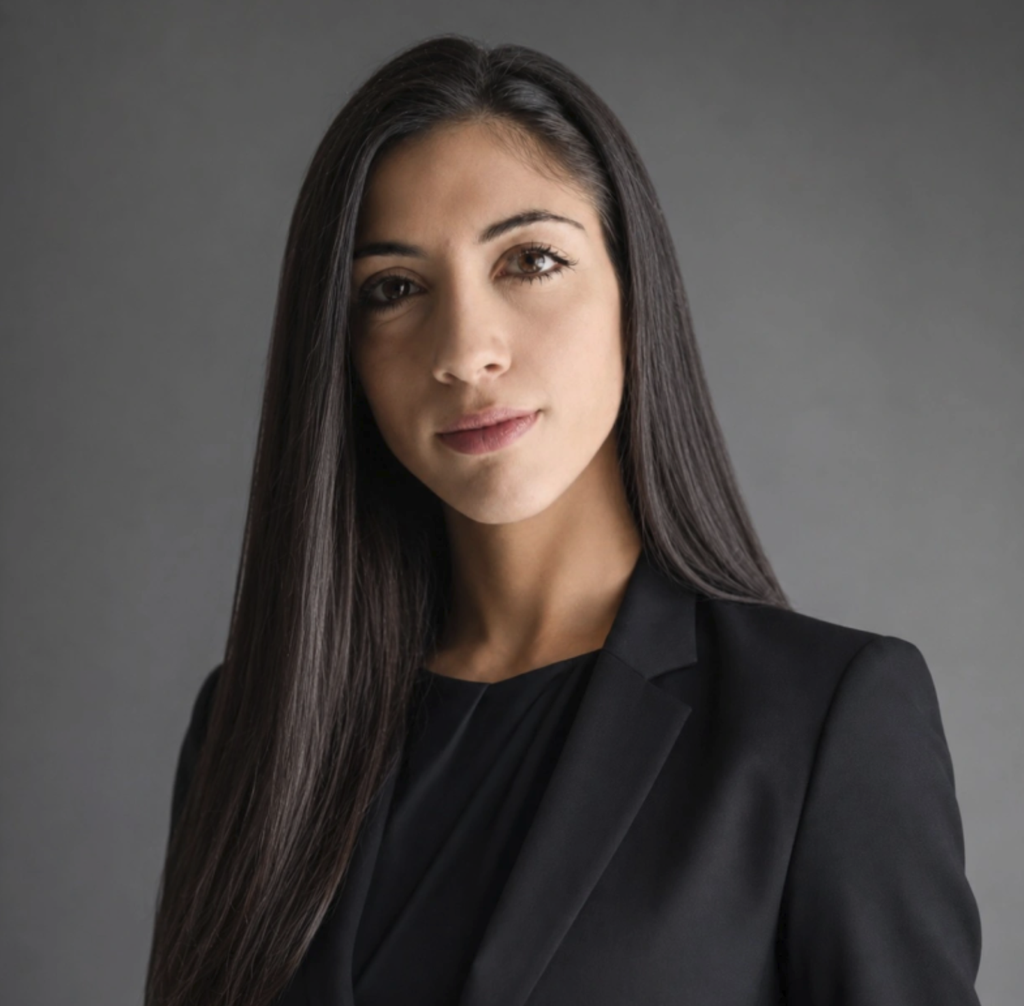
Suor Orsola Benincasa University & HighESt Lab, University of Turin, Italy
Further contributors
Paper presenters will be selected through the call for papers. Practice-track contributors from clinical practice, clinical nutrition, food rheology and public health are being invited and will be announced.